diamondcityaircon@gmail.com+6594687228513 Serangoon Rd, Singapore 218154
Diamond City Aircon Service Logo
  • Home
  • Products
  • Services
  • Installation
  • Aircon Problems
  • Our Brands
  • About
  • Blog
  • Contact
Book Now
WhatsApp Us
Call Now
Available 24 / 7

Get A Free Quote

Singapore's most trusted aircon team — fast, affordable, and available around the clock. One call is all it takes.

  • No call-out fee, ever
  • Fast & reliable service
  • 5-star rated technicians
Call Us NowView all services
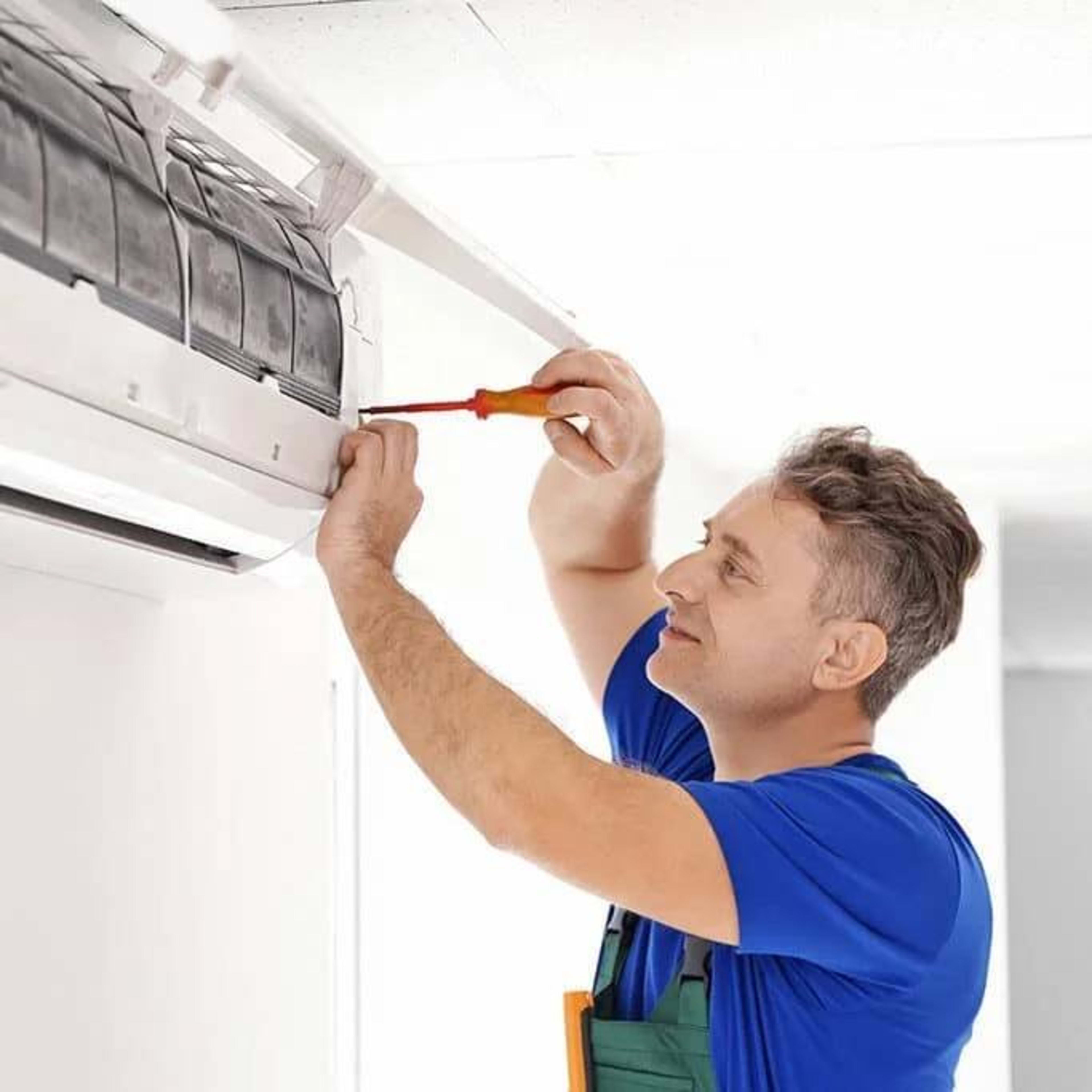
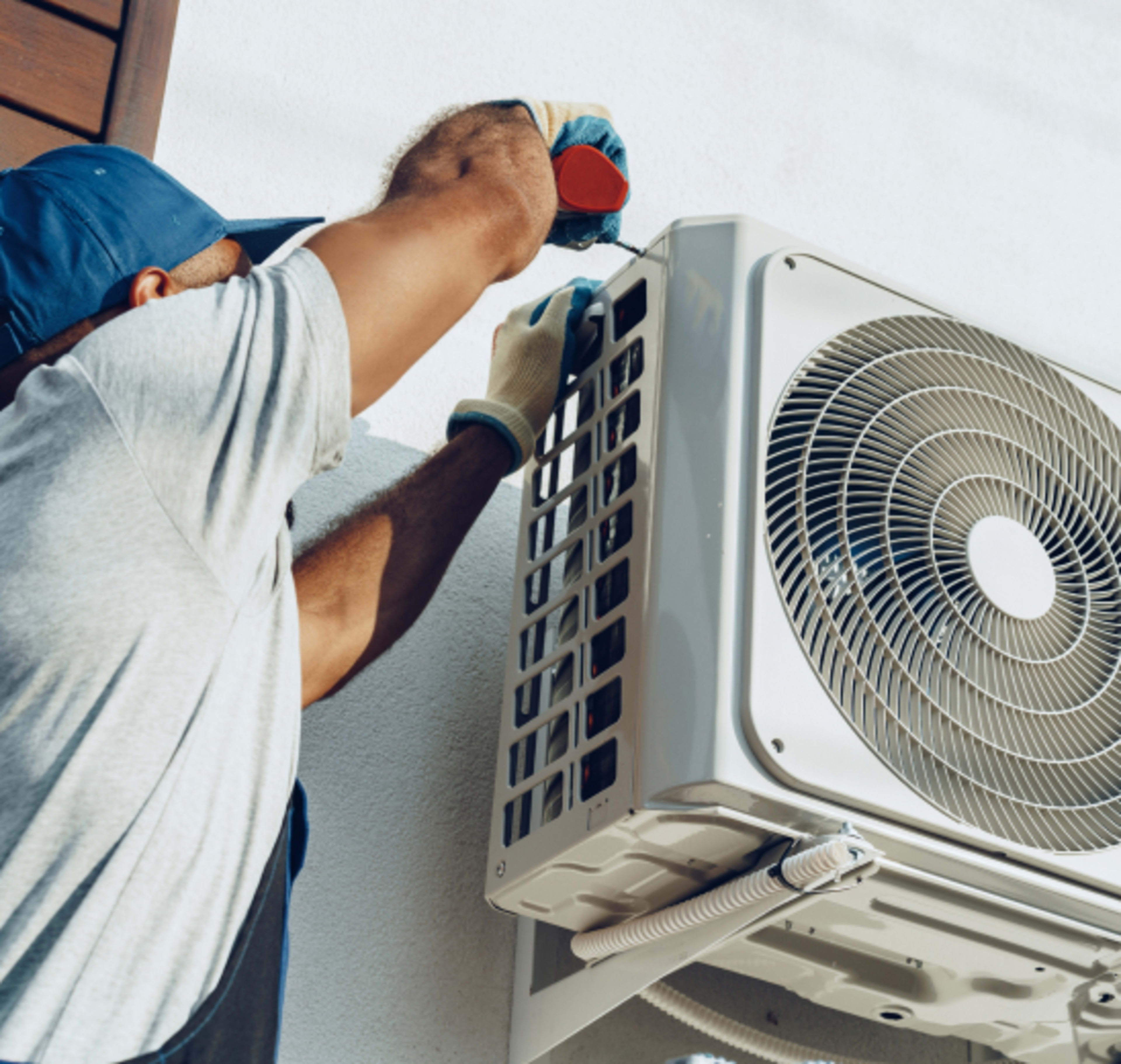
Aircon technician at work
24/7 service
24/7 EmergencyResponse in < 60 min
LIVE
100%Satisfaction Guaranteed
on every job

Ready to fix your aircon?

Available 24/7 across Singapore. Fast response guaranteed.

Book Now
Diamond City Aircon Service Logo

Singapore's trusted aircon specialists. Certified technicians, transparent pricing, and 24/7 emergency support — islandwide.

Quick Links

  • Home
  • Services
  • About Us
  • Blog
  • Contact Us
  • Book Appointment

Our Services

Contact

+6594687228diamondcityaircon@gmail.com513 Serangoon Rd, Singapore 218154
Open 24 Hours

© 2026 Diamond City Aircon Service Pte Ltd. ALL RIGHTS RESERVED.

Powered by DIGITAL RESOLUTION

Explore Blogs
Blog

Explore Blogs

HomeBlog
Best Time to Service Your Aircon in Singapore
4 min read

Best Time to Service Your Aircon in Singapore

In Singapore’s hot and humid climate, your aircon isn’t just a machine — it’s your daily comfort partner. When temperatures rise, it works non-stop to keep your home cool. But here’s the big question many homeowners ask: Should you service your aircon before peak season… or after? The honest answer? Both timings have benefits — but one gives you a serious advantage. Let’s break it down clearly. ## Why Servicing Before Peak Season Is the Smartest Move Peak season in Singapore usually starts around March and continues through the hotter months. During this time, aircons work overtime. Booking a service before the heat kicks in gives you several key advantages. **1. Maximise Cooling Performance** Dust and dirt build up on: - Air filters - Evaporator coils - Condenser coils When these parts are dirty, airflow reduces and cooling becomes weaker. Your unit struggles, consumes more power, and cools unevenly. Pre-season servicing ensures: - Balanced refrigerant levels - Clean coils and filters - Smooth fan motor operation - Strong, consistent cooling So when the heat arrives, your aircon performs at its best. **2. Prevent Sudden Breakdowns** Nothing feels worse than your aircon failing on the hottest day of the year. Most breakdowns happen because: - Filters are clogged - Drain lines are blocked - Refrigerant levels are low - Electrical parts are worn out Pre-season maintenance allows technicians to catch small issues before they become expensive emergency repairs. And here’s the bonus: You avoid the peak-season service rush, when appointment slots are limited and response times are slower. **3. Lower Electricity Bills** A dirty aircon can consume significantly more electricity just to maintain the same cooling level. When coils and filters are clean: - The compressor works less - Energy consumption drops - Cooling becomes faster In a country where aircon runs almost daily, that efficiency makes a noticeable difference on your monthly bill. **4. Improve Indoor Air Quality** When filters and coils are clogged, your aircon circulates: - Dust - Mold spores - Bacteria - Allergens This can trigger allergies, asthma, and respiratory problems — especially for children and elderly family members. Pre-season servicing removes buildup before heavy usage begins, keeping your home air fresh and healthy. ## What About Servicing After Peak Season? End-of-season servicing also has important benefits. After months of heavy use, your system may have: - Dust accumulation - Minor refrigerant leaks - Worn components - Drainage buildup Servicing before you reduce usage helps: ✔ Fix Small Problems Early Minor wear and tear won’t worsen during idle months. ✔ Prevent Mold and Musty Odors Cleaning coils and filters prevents contaminants from sitting inside the unit. ✔ Protect Long-Term Lifespan Addressing issues early helps your aircon last closer to its expected 10–15 years. ✔ Prepare for the Next Cycle When the next hot season returns, your system starts strong. ## So… Before or After Peak Season? Here’s the simple answer: Best timing: Before peak season (January–March) Second best timing: Immediately after heavy-use season If you can only choose one, go with before peak season. That’s when you get the biggest benefits in performance, energy savings, and reliability. But ideally? Service it regularly every 3–4 months. ## What Happens If You Skip Servicing? Skipping maintenance can lead to: - Weak cooling - Water leakage - Ice buildup on coils - Higher electricity bills - Shortened lifespan - Sudden breakdowns What starts as minor dust buildup can turn into a costly compressor failure — and that’s never cheap. ## How Often Should You Service Your Aircon in Singapore? For most homes: - Every 3–4 months For heavy daily use: - Every 2–3 months For offices or commercial units: - Monthly or quarterly maintenance plans Singapore’s climate doesn’t really give aircons a “rest season,” so regular servicing is essential.

Read More
Professional vs DIY Aircon Servicing in Singapore: What You Should Know
3 min read

Professional vs DIY Aircon Servicing in Singapore: What You Should Know

In Singapore's heat and humidity, aircon isn't a luxury — it's survival mode. Whether at home or in the office, your unit works hard almost every day. So when it starts making strange noises or blowing weak air, the big question comes up: Should you service it yourself, or call a professional? Let's break it down clearly so you can make the right decision without risking your safety — or your wallet. ## Understanding Aircon Servicing Before choosing between DIY and professional servicing, it's important to know what proper maintenance actually includes. Regular aircon servicing helps to: - Improve cooling efficiency - Lower electricity bills - Extend the lifespan of the unit - Prevent unexpected breakdowns - Maintain healthy indoor air quality Now let's compare both options. ## What You Can Safely Do with DIY Aircon Servicing Some basic maintenance tasks are perfectly fine for homeowners. **1. Cleaning Air Filters** This is the most important DIY step. Washing your air filters every 2–3 weeks improves airflow and reduces dust buildup. It's simple, safe, and effective. **2. Wiping Exterior Panels** Use a damp cloth to remove dust from outer covers and vents. **3. Observing Warning Signs** You can monitor for: - Strange noises - Water leakage - Weak airflow - Unusual smells Catching issues early helps prevent major problems later. **Pros of DIY Servicing** - Cost-effective - Convenient timing - Good for light maintenance **The Risks of DIY Aircon Servicing** Here's where things get serious. Air conditioners are complex systems with electrical wiring, refrigerant gas, drainage systems, and delicate components. Attempting deeper servicing without training can lead to: **Electrical Hazards** — Aircons operate on high voltage. One wrong move can cause electric shock. **Refrigerant Gas Leaks** — Handling refrigerant without certification is unsafe and illegal in many cases. Gas leaks can harm both your health and the environment. **Accidental Damage** — Improper coil cleaning or dismantling parts can damage the compressor or internal components — leading to expensive repairs. **Voided Warranty** — Many manufacturers require servicing by licensed professionals. DIY mistakes can cancel your warranty coverage. ## Why Professional Aircon Servicing Is Safer and Smarter A professional aircon servicing company in Singapore provides much more than basic cleaning. **1. Thorough Inspection** Technicians check: - Refrigerant gas levels - Evaporator and condenser coils - Drainage systems - Electrical components - Thermostat accuracy **2. Deep Cleaning Services** Professionals offer: - Chemical wash - Chemical overhaul - Drainage flushing - Mold and bacteria removal These services cannot be done properly with DIY tools. **3. Advanced Tools and Expertise** Certified technicians use professional diagnostic equipment to detect hidden issues before they become costly breakdowns. **4. Long-Term Cost Savings** Regular professional servicing prevents compressor failure — one of the most expensive aircon repairs. ## DIY vs Professional Servicing: Quick Comparison - **Cleaning Type:** Surface cleaning vs Deep cleaning & repair - **Frequency:** Every 2–4 weeks vs Every 3–6 months - **Cost:** Low upfront vs Higher but long-term savings - **Risk Level:** Moderate to high vs Low - **Suitable For:** Filter washing, dust cleaning vs Gas top-up, chemical wash, repairs ## When Should You Call a Professional? Don't wait if you notice: - Aircon not cold - Strange grinding or squealing noises - Water leaking from unit - Bad odors - Frequent on-and-off cycling - Sudden increase in electricity bills In Singapore's climate, most homes should service their aircon every 3–6 months. Heavy usage may require more frequent maintenance.

Read More
How to Extend the Lifespan of Your Aircon in Singapore
4 min read

How to Extend the Lifespan of Your Aircon in Singapore

In Singapore, your aircon works harder than almost any other home appliance. With the hot and humid climate all year round, it's running daily — sometimes 10–12 hours straight. An air conditioning system is a major investment. Without proper maintenance, most units may only last 5–7 years. But with regular servicing and professional care, your aircon can easily last 10 years or more, saving you thousands in premature replacement costs. If you want your unit to stay efficient, reliable, and long-lasting, here's what you need to know. ## 1️⃣ Stick to Warranty Requirements Many homeowners don't realize this — your manufacturer warranty usually requires regular professional servicing. If your aircon breaks down during the warranty period, repairs are typically covered. But here's the catch: If servicing was done by unlicensed personnel Or maintenance wasn't performed at recommended intervals Your warranty can become void. That means you pay out of pocket. To protect your investment: - Hire a licensed aircon servicing company in Singapore - Keep proper service records - Follow the manufacturer's recommended servicing schedule Warranty compliance isn't just paperwork — it's financial protection. ## 2️⃣ Use Professional Technicians with Proper Tools Modern air conditioners aren't simple machines. They contain: - Advanced electronic control boards - Inverter systems - Complex refrigerant systems - Precision sensors Professional technicians use advanced diagnostic tools to: - Measure refrigerant pressure accurately - Test electrical components safely - Detect leaks - Calibrate airflow correctly DIY repairs or untrained workers can easily damage delicate components, leading to costly breakdowns later. Manufacturer-trained technicians follow approved procedures — ensuring optimal performance and maximum lifespan. ## 3️⃣ Prioritize Preventive Maintenance Preventive maintenance is the single most important factor in extending your aircon's lifespan. During professional servicing, technicians will: - Clean evaporator and condenser coils - Check refrigerant levels - Inspect electrical wiring - Tighten loose connections - Clear drainage pipes - Adjust airflow Without preventive maintenance: - Efficiency drops - Energy consumption increases - Components overwork - System failure happens earlier Small issues become expensive repairs when ignored. Preventive servicing keeps your aircon running at peak performance and prevents premature breakdown. ## 4️⃣ Maintain Clean Air for Better Performance In Singapore's humidity, mold and dust build up quickly inside air conditioning units. If not cleaned regularly: - Mold spores circulate indoors - Air quality worsens - Cooling performance drops - Energy bills increase Poor maintenance can also lead to: - Water leakage - Unpleasant odors - Respiratory irritation Regular servicing ensures: - Clean air filters - Mold-free coils - Proper drainage - Healthy indoor air Clean aircon systems last longer because they operate under less strain. ## When Should You Call a Professional? In Singapore's climate, servicing every 6 months is ideal for most homes. If your aircon runs daily or year-round, servicing every 3–4 months may be better. You don't have to guess. Watch for these warning signs: - Strange noises (grinding, squealing, rattling) - Weak or inconsistent cooling - Bad or musty smells - Frequent on-and-off cycling - Higher electricity bills without increased usage - Water leakage If you notice any of these, schedule servicing immediately before the problem worsens. ## Simple Habits to Extend Your Aircon's Life Besides professional servicing, you can also: ✔ Clean air filters monthly ✔ Avoid setting temperature too low (23–25°C is ideal) ✔ Keep outdoor condenser area clear ✔ Avoid switching the unit on and off repeatedly ✔ Schedule regular servicing contracts Small habits reduce system strain and extend longevity. ## The Financial Benefit of Regular Maintenance Here's the reality: Replacing a new split system in Singapore can cost several thousand dollars. But routine servicing costs a fraction of that. With proper maintenance: - Lower repair costs - Reduced energy bills - Longer equipment lifespan - Better return on investment Regular servicing gives you peace of mind and long-term savings.

Read More
Aircon Maintenance Checklist for Singapore Homes & Offices
5 min read

Aircon Maintenance Checklist for Singapore Homes & Offices

In Singapore, an aircon isn't optional. It runs daily. Sometimes all day. In offices, it runs non-stop to keep everyone productive and comfortable. And yet… Most people only think about servicing after the unit starts leaking or blowing warm air. If you want lower energy bills, cleaner air, and fewer breakdowns, this is the complete aircon maintenance checklist every home and office in Singapore should follow. ## Quick Takeaways - Follow a structured aircon servicing checklist for consistent performance - Service monthly (heavy use), quarterly (normal use), or bi-annually (light use) - Clean filters, inspect coils, and check refrigerant regularly - Preventive maintenance saves money long-term - Partner with a trusted Singapore aircon servicing company for professional care ## Why Aircon Maintenance Is Critical in Singapore Singapore's climate is hot, humid, and dusty. That combination creates the perfect environment for: - Dust buildup - Mold growth - Bacteria accumulation - Higher humidity levels - Increased energy consumption Without regular maintenance, your aircon: - Works harder - Uses more electricity - Cools less efficiently - Circulates poor-quality air For offices, this can mean headaches, allergies, and reduced productivity. For homes, it means discomfort and rising utility bills. ## How Often Should You Service Your Aircon? The servicing frequency depends on usage. **🏢 For Offices** - Monthly servicing → Heavy use (8–12+ hours daily) - Quarterly servicing → Moderate use - Bi-annual deep cleaning → Smaller or low-traffic offices **🏠 For Homes** - Every 3–6 months for normal use - Every 2–3 months if used daily If you notice weak cooling, strange sounds, water leakage, or higher electricity bills — don't wait. ## The Ultimate Aircon Maintenance Checklist Here's the complete checklist for Singapore homes and offices. ## 1️⃣ Clean & Replace Air Filters Air filters trap dust, allergens, and airborne particles. When clogged, they: - Block airflow - Reduce cooling - Increase electricity usage ✅ What To Do: - Turn off the unit - Remove filters - Wash with mild soap and water - Let dry completely - Replace every 3–6 months In Singapore's humidity, more frequent cleaning is better. ## 2️⃣ Inspect & Clean Evaporator Coils Evaporator coils absorb heat from indoor air. Dust buildup reduces heat exchange and cooling efficiency. ✅ Action Steps: - Carefully inspect coils - Use soft brush or vacuum - Avoid bending coil fins - Schedule professional cleaning if heavily soiled Clean coils = faster cooling + lower energy bills. ## 3️⃣ Clean Outdoor Condenser Unit The outdoor unit releases heat. Leaves, dust, and debris can block airflow and strain the system. ✅ Action Steps: - Turn off system - Remove debris around unit - Clean condenser coils gently - Check fan blades for damage A clean condenser keeps your system efficient during Singapore's hottest days. ## 4️⃣ Check & Clear Drainage System Blocked drain pipes cause: - Water leaks - Ceiling damage - Mold growth - Unpleasant smells ✅ Action Steps: - Inspect for standing water - Flush drain line with mild solution - Clean drainage tray - Ensure smooth water flow Frequent leaks = call a professional immediately. ## 5️⃣ Check Refrigerant (Gas) Levels Refrigerant cools the air. Low levels cause: - Weak cooling - Ice formation - Higher electricity consumption ✅ Action Steps: - Have technician measure refrigerant pressure - Top up only if necessary - Inspect for leaks Never ignore ice buildup — it's a warning sign. ## 6️⃣ Inspect Electrical Components Loose wiring can lead to system failure or safety hazards. ✅ What Should Be Checked: - Wiring condition - Circuit boards - Electrical connections - Thermostat wiring Tighten loose connections and replace worn components. Safety first. Always. ## 7️⃣ Clean Fan Motor & Blower The fan circulates cool air throughout your space. Dust buildup reduces airflow and increases noise. ✅ Action Steps: - Turn off unit - Clean fan blades - Vacuum motor housing - Lubricate moving parts if required Proper airflow reduces strain on the system. ## 8️⃣ Test Thermostat Accuracy If rooms feel too warm or too cold, your thermostat may be inaccurate. ✅ What To Check: - Placement (avoid direct sunlight) - Temperature calibration - Battery replacement (every 6–12 months) Accurate thermostat = stable comfort + lower energy waste. ## 9️⃣ Clean Air Vents & Diffusers Dusty vents spread contaminants around the room. ✅ Action Steps: - Vacuum vent covers - Wipe with damp cloth - Schedule annual duct cleaning for large systems Clean vents improve indoor air quality significantly. ## 🔟 Perform Full System Performance Test After servicing: - Turn on unit - Check airflow strength - Measure temperature difference - Listen for unusual noises - Confirm proper compressor cycling Document performance to track long-term efficiency. ## Preventive Maintenance Tips Small habits make a big difference: ✔ Keep office and home dust-free ✔ Replace filters on time ✔ Avoid setting temperature too low (23–25°C is ideal) ✔ Inspect system after renovations ✔ Schedule regular servicing contracts Preventive care is always cheaper than emergency repairs. ## Benefits of Following a Maintenance Checklist **Lower Energy Bills** — Dirty systems can increase energy use by up to 20%. **Better Air Quality** — Reduces allergens, bacteria, and mold spores. **Longer Lifespan** — Prevents premature wear and expensive replacements. **Consistent Cooling** — Balanced airflow across all rooms. **Peace of Mind** — No sudden breakdowns during peak hours. ## Common Aircon Problems Found During Servicing Technicians in Singapore often find: - Water leaks from clogged drain lines - Weak airflow from dirty filters - Bad smells from mold buildup - Warm air due to low refrigerant - Strange noises from loose parts - Uneven cooling from thermostat issues Catching these early saves serious money. ## Choosing the Right Aircon Servicing Company in Singapore Before hiring, check: ✔ Commercial experience ✔ Transparent pricing ✔ Proper checklist coverage ✔ Emergency response availability ✔ Good customer reviews Professional servicing ensures your system is tested, cleaned, and optimized correctly.

Read More
Why Regular Aircon Servicing Is Important in Singapore’s Climate
3 min read

Why Regular Aircon Servicing Is Important in Singapore’s Climate

In Singapore's tropical climate, an aircon isn't just a home appliance — it's a life-support system for your comfort. Because our humidity averages 84% year-round, your aircon is constantly doing a "double job": cooling the air and pulling liters of water out of it. Without regular servicing, this high-moisture environment turns your unit into a breeding ground for problems. Here is why regular maintenance is non-negotiable in Singapore. ## 1. The "Humidity Trap": Preventing Mold & Sludge Singapore's moisture is the enemy of a clean aircon. When dust mixes with the constant condensation inside your unit, it creates a "jelly-like" sludge. **The Risk:** This sludge clogs your drainage pipes, leading to the dreaded indoor water leak that can ruin your wallpaper or flooring. **The Fix:** Standard servicing flushes the drainage system and cleans the water tray, preventing blockages before they start. ## 2. Fighting "Microbial Contamination" A damp, dark aircon unit is the perfect incubator for mold, bacteria, and algae. **Health Impact:** If you notice a "sour" or musty smell when you switch on the AC, you are breathing in mold spores. This often leads to "Sick Building Syndrome," causing unexplained coughs, skin rashes, or asthma flare-ups. **The Fix:** Regular cleaning sanitizes the cooling coils and filters, ensuring the air you breathe is actually clean, not just cold. ## 3. Beating the 5% Efficiency Loss Did you know that an unserviced aircon loses roughly 5% efficiency every year? In Singapore, where we use our units almost daily, the wear and tear is accelerated. **Financial Impact:** As dirt coats the evaporator coils, the system struggles to "absorb" heat. This forces the compressor to run longer and harder, spiking your electricity bill by 20–30%. **The Fix:** A clean unit transfers heat efficiently, allowing the compressor to "rest" once the target temperature is hit. ## 4. Avoiding the "Singapore Breakdown" Most aircon failures in Singapore happen during the hottest months (May–September) when units are pushed to their limit. **The Risk:** A small, undetected refrigerant leak can cause the compressor (the most expensive part, costing $800–$2,000) to overheat and burn out. **The Fix:** Technicians check gas pressures and electrical connections during routine service, catching "silent" leaks before they kill your system. ## Recommended Servicing Schedule (Singapore Standard) | Usage Type | Frequency | Why? | |------------|-----------|------| | Light (Night only) | Every 6 Months | Prevents dust buildup and stagnant water | | Normal (8+ hours daily) | Every 3 Months | Recommended for most Singapore households | | Heavy/Office (24/7) | Every 1 Month | Essential to prevent "sludge" and motor failure | ## Standard Servicing vs. Chemical Wash Homeowners often get confused between these two. Here is the simple rule of thumb: **Standard Servicing ($25–$35/unit):** Best for preventative maintenance. Includes cleaning filters, water trays, and a system health check. **Chemical Wash/Overhaul ($80–$150/unit):** Necessary for corrective maintenance. If your aircon is leaking water, smelling bad, or not cold at all, a standard service won't fix it — you need the deep chemical clean. ## Final Thoughts In Singapore, skipping aircon servicing is "penny wise, pound foolish." Paying $30 for a quarterly check-up is much better than paying $1,000 for a new compressor next year.

Read More
Common Aircon Mistakes Singapore Homeowners Make
3 min read

Common Aircon Mistakes Singapore Homeowners Make

In Singapore's non-stop heat, your aircon is the most hardworking appliance in your home. Unfortunately, many homeowners unknowingly sabotage their units through poor habits or installation oversight. Here are the most common aircon mistakes Singapore homeowners make and how to fix them to save money and stay cool. ## 1. The "16°C Myth" **The Mistake:** Believing that setting the aircon to 16°C cools the room faster. **The Reality:** Your aircon blows air at the same temperature regardless of the setting. Setting it to 16°C only means the compressor will never stop working as it tries to reach an impossible goal in our tropical climate. **The Fix:** Set your aircon to 24°C – 25°C. If you're still warm, increase the fan speed or use a standing fan to circulate the cool air. Each degree you raise can save you up to 10% on your energy bill. ## 2. Neglecting the "2-Week Filter Rinse" **The Mistake:** Waiting for the "service light" or the annual technician visit to clean filters. **The Reality:** In dusty, urban Singapore, filters clog quickly. A dirty filter restricts airflow, forcing the unit to work 20% harder and potentially causing the evaporator coils to freeze. **The Fix:** Pop open the front panel and rinse the mesh filters with water every 2 weeks. It takes 5 minutes and is the #1 way to prevent water leaking. ## 3. Choosing the Wrong BTU (Size) **The Mistake:** Buying a smaller unit to save money or an oversized unit "just in case." **The Reality:** - **Too Small:** The unit runs 24/7, never cools the room, and burns out the compressor in 3–4 years. - **Too Large:** It cools the room so fast that it doesn't have time to dehumidify, leaving you with a room that feels cold but "clammy" and damp. **The Fix:** Use the 20 BTU per square foot rule. A standard 150sqft bedroom usually needs a 9,000 BTU unit. ## 4. Poor Placement (Indoor & Outdoor) **The Mistake:** Placing the indoor unit above a TV/Stove or the outdoor unit in a cramped, unventilated ledge. **The Reality:** - **Indoor:** Heat from appliances confuses the aircon's thermostat, making it run even when the room is cold. - **Outdoor:** If the compressor can't "breathe," it overheats. This is a common cause of total system failure in HDBs with small aircon ledges. **The Fix:** Ensure at least 30cm–50cm of clearance around the outdoor unit. Keep the indoor unit away from direct sunlight and heat-generating electronics. ## 5. Ignoring BCA/HDB Regulations **The Mistake:** Hiring an unlicensed "budget" contractor to save on installation costs. **The Reality:** Singapore has strict laws regarding aircon safety. If your unit is installed on a bracket that isn't BCA-certified or by an unlicensed technician, you could face fines of up to $5,000 or be forced to dismantle the unit. **The Fix:** Always verify that your installer is BCA-trained and uses Grade L (Singapore Standard) copper piping and insulation. ## The Cost of These Mistakes - **Wrong BTU Size:** Compressor Burnout — $600 – $1,200 - **Skipping Cleaning:** Water Leaking / Mould — $80 – $150 (Chemical Wash) - **Poor Ventilation:** System Overheating — $150 – $400 (Part replacement) - **DIY Gas Top-up:** Over-pressurization — $200 – $500 (System Flush)

Read More
Aircon Installation Cost in Singapore: Full Price Breakdown
3 min read

Aircon Installation Cost in Singapore: Full Price Breakdown

In 2026, air conditioning remains the most significant investment for a Singaporean home's comfort. Whether you are moving into a new BTO, a resale condo, or upgrading your landed property, the cost of installation depends on a "System" hierarchy—where one outdoor compressor powers multiple indoor units. For a standard residential setup, the average aircon installation cost in Singapore ranges from $1,200 for a System 1 to $7,000+ for a System 5, including the units, labor, and materials. ## 2026 Price Breakdown by System Type The following table provides the estimated total cost (Unit + Labor + Basic Materials) for split-unit systems, which are the standard for 90% of Singaporean households. - **System 1 (1 Room):** $1,200 – $2,000 - **System 2 (2 Rooms):** $1,900 – $2,800 - **System 3 (3 Rooms):** $2,700 – $3,900 - **System 4 (4 Rooms / Whole Flat):** $3,800 – $5,500 - **System 5 (5 Rooms / Large Units):** $5,500 – $7,100+ ## Commercial & Premium Systems **Ceiling Cassette:** Popular for offices and living rooms with false ceilings. Costs range from $2,450 to $4,000 per unit due to complex hacking and ceiling work. **Ducted Systems:** Often seen in luxury landed properties. A single-zone ducted setup starts at $10,000, with multi-zone systems reaching $30,000+. ## What are you actually paying for? A quote is usually split into four main categories. If a quote seems "too cheap," contractors may be cutting corners on the materials used. - **Unit Cost (60-70%):** The price of the actual compressor and indoor fan coils. - **Labor & Workmanship (15-20%):** Fees for the installers. High-rise HDBs or condos with strict MCST rules often incur higher labor fees. - **Piping & Drainage:** Copper pipes (transfer gas) and PVC pipes (drain water). - **Pro Tip:** Request Gauge 22 copper pipes and 1/2" Armaflex insulation to prevent condensation leaks (sweating) in the future. - **Electrical Works:** Includes circuit breakers and wiring from the DB box to the compressor. ## Key Factors Influencing Your Quote **1. Brand Selection** - Premium (Daikin, Mitsubishi Electric, Panasonic): Known for reliability and parts availability. Expect to pay a 20% premium. - Value (Midea, Gree, Haier): Competitive pricing with high tech features, ideal for budget-conscious homeowners. **2. Property Type: HDB vs. Condo vs. Landed** - **HDB:** Generally the cheapest. Standardized layouts and pre-installed aircon ledges make installation straightforward. - **Condos:** Often require concealed piping inside false ceilings. If you are replacing an old system, hacking and patching can add $500 – $1,500 to the bill. - **Landed:** Requires longer piping runs and potentially scaffolding or cranes for compressor placement on high floors. **3. The "NEA Tick" Rating** While a 5-tick (Excellent) model costs more upfront than a 3-tick model, it can save you up to $300/year in electricity. In Singapore's 2026 energy climate, 5-tick models are the industry standard for long-term savings. ## Hidden Costs to Watch Out For - **Stainless Steel Brackets:** If your HDB/Condo doesn't have a ledge, a bracket costs $150 – $250. - **Dismantling & Disposal:** Removing your old system usually costs $50 – $100. - **Additional Trunking:** Most quotes include a standard length (e.g., 15m). Every extra meter of PVC trunking can cost $15 – $25.

Read More
How to Choose the Right Aircon Capacity for Your Room in Singapore
5 min read

How to Choose the Right Aircon Capacity for Your Room in Singapore

Choosing the right aircon capacity isn't just about buying a unit that "looks powerful." In Singapore's hot and humid climate, air conditioning is practically essential. The wrong size can mean higher electricity bills, weak cooling, or a system that wears out too fast. So how do you choose the right aircon capacity for your room in Singapore? It comes down to three main things: room size, room conditions, and the right type of system. Let's break it down in a practical way. ## Step 1: Understand Why Aircon Capacity Matters Aircon capacity is measured in BTU (British Thermal Units). This tells you how much heat the unit can remove per hour. Here's the key: - Too small → struggles to cool, runs non-stop - Too big → cools too fast, wastes energy, poor humidity control In Singapore, humidity control is just as important as temperature. An oversized unit may make the room cold but still feel damp. That's uncomfortable. ## Step 2: Calculate the Right Size for Your Room Start with your room size. Measure: - Length (metres) - Width (metres) Multiply them to get square metres (m²). ## General BTU Guide for Singapore Homes | Room Size | Recommended Capacity | |-----------|----------------------| | 8–12 m² | 9,000 BTU | | 12–18 m² | 12,000 BTU | | 18–25 m² | 18,000 BTU | | 25–35 m² | 24,000 BTU | This works for most HDB flats and condos. ## Step 3: Adjust for Singapore's Climate Conditions Singapore isn't mild weather. It's intense heat, strong sun, and high humidity. You may need slightly more capacity if: ☀ **West-Facing Rooms** — Afternoon sun heats up walls and windows. Consider upgrading one BTU level. 🏢 **Top-Floor Units** — Heat rises. Upper floors are naturally warmer. 👨‍👩‍👧‍👦 **More People in the Room** — Each person adds body heat. 💻 **Many Electronics** — Computers, TVs, gaming setups increase room temperature. A small home office might need more cooling than a bedroom of the same size. ## Choosing the Right Type of Aircon System Capacity is important. But so is choosing the correct type of unit. Let's explore the common options in Singapore. ## 1. Split Aircon (Most Popular Choice) Split systems are the most common in Singapore homes. They include: - Indoor unit (mounted on wall or ceiling) - Outdoor compressor **Why People Like It:** - Energy efficient (especially inverter models) - Zoned cooling (control different rooms separately) - Quiet operation - Space-saving design **Best For:** HDB flats, condos, landed homes. For most households, split units are the smartest long-term choice. ## 2. Central Aircon Designed for larger homes or commercial spaces. Uses ductwork to cool multiple rooms from one system. **Pros:** - Uniform cooling throughout the house - Clean look (no visible wall units) - Advanced filtration possible **Considerations:** - Higher installation cost - More complex setup - Requires space for ducts **Best suited for:** Landed properties or larger apartments. ## 3. Window Aircon Installed directly into a window opening. **Pros:** - Affordable - Easy installation - Suitable for single rooms **Limitations:** - Only cools one space - Slightly noisier - Affects exterior appearance **Good for:** Rental units or budget setups. ## 4. Portable Aircon Mobile unit with an exhaust hose. **Pros:** - Easy to move - No permanent installation - Budget-friendly **Cons:** - Limited cooling capacity - Can be noisy - Less efficient in Singapore heat **Best for:** Temporary cooling needs. ## Why Energy Efficiency Matters in Singapore Aircon runs almost daily here. That means electricity costs add up fast. Choosing an energy-efficient system isn't optional — it's smart. **Look for Inverter Technology** Inverter systems: - Adjust power based on room temperature - Avoid constant on-off cycling - Reduce electricity usage - Provide stable cooling They cost more upfront but save more long term. **Check the Energy Rating** In Singapore, aircon units come with energy labels. Higher rating = lower electricity consumption. Over 5–10 years, this makes a huge financial difference. ## Proper Sizing = Longer Lifespan Here's something many homeowners overlook. Correct capacity doesn't just affect comfort. It affects durability. An undersized unit: - Runs continuously - Overheats compressor - Shortens lifespan An oversized unit: - Cycles on and off too often - Wears out components - Reduces humidity control Right size = balanced operation = fewer breakdowns. ## Real Example: Typical Singapore Setup **Standard HDB Bedroom (10–12m²)** Usually 9,000 BTU works well. If west-facing or top floor? Consider 12,000 BTU. **Living Room (20–25m²)** Typically 18,000–24,000 BTU. Open-concept layout with kitchen? Lean toward 24,000 BTU. ## Don't Forget Placement and Layout Even with correct capacity, poor placement reduces efficiency. Make sure: - Indoor unit isn't blocked by furniture - Outdoor compressor has proper ventilation - Airflow isn't directed straight at curtains or walls Installation quality matters just as much as sizing. ## Warranty and After-Sales Support When investing in a new system, also consider: - Warranty period - Compressor warranty - Servicing support - Availability of spare parts An aircon system is a long-term investment in Singapore. Choosing reliable support saves stress later. ## Final Thoughts To choose the right aircon capacity for your room in Singapore: ✔ Measure your room size accurately ✔ Match it with the correct BTU range ✔ Adjust for sunlight, floor level, and usage ✔ Select the right type of system ✔ Choose energy-efficient inverter models ✔ Ensure professional installation In Singapore's climate, the right aircon capacity means: ✔ Better comfort ✔ Lower electricity bills ✔ Longer system lifespan ✔ Consistent cooling ✔ Peace of mind

Read More
What Is Included in Professional Aircon Servicing in Singapore?
5 min read

What Is Included in Professional Aircon Servicing in Singapore?

If you're living in Singapore, your aircon probably runs almost every day. So naturally, you might wonder: What is included in professional aircon servicing in Singapore? In simple terms, professional aircon servicing includes deep cleaning, inspection, testing, and preventive maintenance to ensure your unit cools efficiently, uses less electricity, and avoids costly breakdowns. But let's go deeper. Because knowing what you're paying for helps you avoid shortcuts — and bad servicing jobs. ## Why Professional Aircon Servicing Is So Important in Singapore Singapore's weather is hot. Humid. Dusty. Your aircon isn't resting — it's working daily. Without proper maintenance: - Cooling becomes weaker - Electricity bills go up - Water leakage happens - Mold builds up inside - Compressor lifespan shortens Servicing isn't optional here. It's preventive protection. Now let's break down exactly what's involved. ## What Is Included in Professional Aircon Servicing in Singapore? A proper servicing checklist should cover these key areas: ## 1️⃣ Cleaning or Replacing the Air Filter This is the first and most basic step. Air filters trap dust, pet hair, and airborne particles. When clogged: - Airflow reduces - Cooling weakens - Power consumption increases A technician will: - Remove the filters - Wash and clean them - Recommend replacement if worn out Clean filters alone can improve cooling performance immediately. ## 2️⃣ Cleaning the Evaporator Coil (Indoor Unit) The evaporator coil absorbs heat from your room. Over time, it collects: - Dust - Mold - Grime When dirty, it can't absorb heat properly. Professional servicing includes: - Opening the indoor unit - Cleaning the coil with proper tools - Using coil cleaners if necessary This restores cooling strength and improves air quality. ## 3️⃣ Cleaning the Condenser Coil (Outdoor Unit) The condenser releases heat outside your home. If blocked by dirt or debris: - Heat cannot escape properly - The compressor works harder - Cooling becomes inefficient Technicians will clean the outdoor condenser to ensure proper heat release. Many cheap services skip this step — but it's critical. ## 4️⃣ Checking Refrigerant (Gas) Pressure Your aircon uses refrigerant (R32 or R410A) to cool air. During servicing, technicians: - Check gas pressure levels - Ensure it's within recommended range - Identify potential leaks **Important:** Gas top-up is done only if needed — not automatically. A proper check prevents unnecessary refills. ## 5️⃣ Cleaning the Drainage System This is one of the most overlooked areas. The drain pipe removes condensation water. If clogged: - Water leaks inside your room - Walls or ceilings get damaged - Mold grows Professional servicing includes: - Flushing the drain pipe - Clearing blockages - Killing algae buildup This prevents one of the most common aircon problems in Singapore — water leakage. ## 6️⃣ Inspecting the Fan and Blower The blower circulates cool air around your room. If dusty: - Airflow becomes weak - Cooling feels uneven Technicians will clean: - Fan blades - Blower wheel - Airflow passages This helps your room cool faster. ## 7️⃣ Checking Electrical Connections Loose or damaged wiring can: - Cause short circuits - Lead to breakdowns - Reduce efficiency Professional servicing includes: - Inspecting wires - Tightening loose connections - Checking circuit boards This improves safety and reliability. ## 8️⃣ Thermostat Inspection The thermostat controls temperature. If inaccurate: - Room becomes too warm - Aircon runs longer than needed - Electricity bills rise Technicians test calibration and ensure accurate temperature control. ## 9️⃣ Lubrication of Moving Parts Some components experience friction over time. Lubrication helps: - Reduce wear and tear - Improve efficiency - Extend lifespan It's a small step with long-term benefits. ## 🔟 Full System Testing After cleaning and inspections, the technician will: - Turn on the system - Check startup performance - Test cooling speed - Monitor airflow - Ensure drainage works - Listen for unusual noises This confirms everything is running properly before leaving. ## Final Step: Service Report & Advice A professional company should provide: - A checklist of completed tasks - Notes on any worn-out parts - Advice for future servicing - Recommendations if repairs are needed Transparency matters. ## How Often Should You Schedule Professional Aircon Servicing in Singapore? General recommendation: - Light home use: Every 4–6 months - Heavy home use: Every 3–4 months - Commercial use: Every 1–3 months In Singapore's climate, once a year is not enough for daily users. Preventive servicing saves far more than emergency repair. ## What Professional Servicing Does NOT Include (Unless Requested) It's important to know this too. Standard servicing usually does not include: - Chemical overhaul (deep dismantling wash) - Major part replacement - Compressor repair - Aircon relocation - Full gas refill These are separate services when needed. ## Why You Shouldn't DIY Full Servicing Cleaning filters? Yes. Opening coils, handling refrigerant, dealing with electrical components? Not recommended. Without proper tools and training, you could: - Damage sensitive parts - Cause gas leaks - Create electrical hazards Professional servicing ensures safety and thoroughness. ## Benefits of Professional Aircon Servicing in Singapore When done correctly, you get: ✔ Stronger cooling ✔ Lower electricity bills ✔ Cleaner indoor air ✔ Fewer breakdowns ✔ Longer system lifespan ✔ Peace of mind In Singapore's climate, that's not a luxury — it's essential.

Read More
Aircon Gas Top-Up in Singapore: When Is It Necessary?
5 min read

Aircon Gas Top-Up in Singapore: When Is It Necessary?

Aircon gas top-up in Singapore is only necessary if there's a refrigerant leak or confirmed low gas pressure. In a properly installed system, refrigerant does not get "used up." It's a sealed, closed-loop system. So if someone tells you to top up gas every year like clockwork? That's not how it works. Let's break this down clearly so you don't waste money — or damage your unit. ## What Is an Aircon Gas Top-Up? An aircon gas top-up means refilling the refrigerant inside your air conditioning system. Refrigerant (often R32 or R410A in Singapore) is the cooling substance that: - Absorbs heat from inside your room - Releases that heat outside - Circulates continuously through the system It doesn't burn. It doesn't evaporate away. It doesn't "finish." If refrigerant levels are low, it usually means there's a leak somewhere. That's the key thing most homeowners don't know. ## How Often Should You Top Up Aircon Gas? Let's make this simple. 👉 **Under normal conditions, you should not need regular gas top-ups.** If your aircon is properly installed and there are no leaks, the refrigerant should last 8–15 years, which is the typical lifespan of the unit. Now, are there exceptions? Yes. **Situations Where a Gas Top-Up May Be Needed:** - After repairing a confirmed gas leak - After replacing major components (compressor, coils) - In older systems with worn piping - Heavy commercial usage with aging equipment But topping up "just because it's been one year"? Not necessary. ## Signs Your Aircon May Need a Gas Top-Up Now let's talk about real warning signs. If you notice these, it's time to call a technician. ## 1️⃣ Aircon Not Cold Enough You set it to 18°C… but the room feels like 25°C. Low refrigerant reduces cooling efficiency. The system struggles to absorb heat properly. ## 2️⃣ Ice Forming on Pipes or Coils Look at the exposed copper piping. If you see frost or ice buildup, that's often a sign of low gas pressure or restricted airflow. Ice = red flag. ## 3️⃣ Hissing or Bubbling Sounds This one is important. Strange hissing noises can indicate a refrigerant leak. Don't ignore this. Refrigerant leaks should be fixed immediately — not just topped up. ## 4️⃣ Sudden Spike in Electricity Bills If cooling performance drops but your power bill rises, your system may be overworking due to low refrigerant. More strain = more energy consumption. ## Why You Should NEVER Just Top Up Without Fixing the Leak This is where many people waste money. Some think: "Just add more gas and it'll be fine." But if there's a leak and you don't repair it: - The new gas escapes again - You keep paying for repeat top-ups - The compressor works under stress - Long-term damage increases It's like refilling a punctured tire without fixing the hole. Doesn't make sense, right? A proper technician will: - Perform pressure testing - Detect the leak - Repair the leak - Vacuum the system - Refill with correct measured gas Anything less is incomplete work. ## Understanding R32 vs R410A in Singapore Most modern units in Singapore use: - **R32** – More energy efficient, lower environmental impact - **R410A** – Older but still common R32 runs at higher pressure and must be handled carefully. That's why choosing an experienced technician matters. Improper handling can damage your compressor. ## When Gas Top-Up Is NOT the Solution Here's something important. Low cooling doesn't always mean low gas. Sometimes the issue is simply: - Dirty air filters - Clogged evaporator coils - Blocked drainage - Faulty thermostat - Dirty condenser unit Regular servicing (every 3–6 months) prevents these problems. Many "gas problems" are actually maintenance problems. ## The Dangers of Over-Topping Up Refrigerant Adding too much gas can be just as harmful as too little. Overcharging the system can cause: - Compressor overheating - Reduced cooling performance - Higher electricity bills - Premature system failure A proper refill is measured precisely — not guessed. ## Cost of Aircon Gas Top-Up in Singapore Prices vary depending on refrigerant type and system size. Rough estimate: - R410A: $40–$80 per unit - R32: $60–$100 per unit Additional costs may apply if: - Leak repair is required - Access is difficult - Multiple units need servicing Always ask for diagnosis before agreeing to refill. ## The Environmental Side of Refrigerant Leaks This part matters more than people realize. Refrigerants can contribute to global warming if released into the atmosphere. That's why leak repair isn't just about cooling performance — it's about environmental responsibility too. A professional technician will always recover and handle refrigerant properly. ## How to Prevent Unnecessary Gas Top-Ups Here's what I recommend: ✔ Clean filters every month ✔ Schedule professional servicing every 3–6 months ✔ Fix water leaks early ✔ Use licensed technicians ✔ Don't ignore weak cooling signs Preventive care reduces the chance of refrigerant issues. Simple habits = fewer big repairs. ## Choosing the Right Aircon Technician in Singapore Before booking a gas top-up service, check: - Is the company licensed? - Do they perform pressure testing before refilling? - Do they explain the root cause clearly? - Are they experienced with R32 systems? A good technician doesn't push services. They diagnose first. ## Final Thoughts: Aircon Gas Top-Up in Singapore — When Is It Necessary? Let's wrap this up clearly. An aircon gas top-up in Singapore is necessary only when there's a confirmed refrigerant leak or low pressure. It is NOT routine maintenance. It is NOT something you schedule yearly. And it should NEVER be done without checking for leaks. If your aircon is cooling well, there's no reason to touch the gas. If you're noticing weak cooling, ice buildup, strange sounds, or rising electricity bills — get it checked properly before things get worse.

Read More
When Should You Replace Your Aircon in Singapore?
3 min read

When Should You Replace Your Aircon in Singapore?

You should consider replacing your unit if it is more than 8–10 years old, requires more than two major repairs in a single year, or if a single repair cost exceeds 50% of the price of a new system. In our humid climate, aircons work twice as hard as those in temperate regions, leading to faster mechanical wear. ## 5 Warning Signs It's Time to Say Goodbye Your aircon often communicates its "retirement" through specific symptoms. Recognizing these early can save you from a total system failure during a heatwave. ## 1. The "10-Year" Milestone Most units in Singapore are designed to last 10–15 years, but performance often takes a steep dive after year 8. Older units use outdated refrigerants (like R-22) which are being phased out, making repairs increasingly expensive and environmentally harmful. ## 2. Frequent or "Rolling" Repairs Is your technician becoming a regular guest at your home? If you've needed major repairs (like a compressor replacement or a fan motor fix) more than twice in 12 months, your unit is likely in a "cycle of failure." Investing in a new, warrantied system is more economical than paying for endless temporary fixes. ## 3. Subpar Cooling & High Humidity If your aircon is blowing warm air or the room feels "muggy" despite the unit running for hours, the system is no longer dehumidifying properly. This is often due to refrigerant leaks or a failing compressor — the "heart" of the aircon. ## 4. Spiking Electricity Bills Compare your utility bills to the same month last year. If your costs have jumped by 20-30% without a change in usage, your unit is losing efficiency. An aging aircon works harder and runs longer to achieve the same cooling effect, essentially "burning" money. ## 5. Unusual Noises & Smells - **Grinding/Squealing:** Usually indicates failing motor bearings. - **Banging:** Suggests a loose part or a broken internal mount. - **Musty/Burning Smells:** Can indicate mold buildup or electrical wiring issues. ## The "50% Rule" for Decision Making Unsure whether to repair or replace? Use this simple financial formula: **The 50% Rule:** If the cost of a single repair is 50% or more of the price of a brand-new unit, replacement is the smarter long-term investment. Additionally, consider the "Age x Repair Cost" rule. If the age of the unit multiplied by the repair cost exceeds $5,000 (a common benchmark for a new System 3/4), it's time to upgrade. ## Why Modern Technology is Worth the Upgrade If you decide to replace your unit, the benefits of modern aircon technology in Singapore are substantial: - **Inverter Technology:** Unlike old "non-inverter" units that turn on and off constantly, inverters adjust their speed. This can reduce electricity consumption by 20–30%. - **Smart Controls:** Most new units feature Wi-Fi connectivity, allowing you to turn off the aircon remotely if you forget, further saving on bills. - **Better Air Quality:** Newer models feature advanced HEPA and PM2.5 filters that remove dust and allergens more effectively than older mesh filters. - **Eco-Friendly Refrigerants:** Modern units use R-32 refrigerant, which has a much lower global warming potential than older gases. ## Quick Tips to Delay Replacement If your unit is still relatively young (under 6 years), you can extend its life by: - **Monthly Filter Cleaning:** Prevents the compressor from overworking. - **Bi-Annual Servicing:** Clears out grime before it causes mechanical strain. - **Shading the Outdoor Unit:** Keeping the compressor out of direct sunlight helps it dissipate heat more efficiently.

Read More
Aircon Servicing vs Chemical Wash in Singapore: Which One Do You Need?
4 min read

Aircon Servicing vs Chemical Wash in Singapore: Which One Do You Need?

General servicing is preventive maintenance for healthy units (best done every 3–4 months), while a chemical wash is a restorative treatment for units that are blowing weak air, smelling musty, or haven't been cleaned in over a year. In this guide, we'll break down the "what, why, and when" so you can stop overpaying for services you don't need — or worse, neglecting your unit until it breaks down in the middle of a 34°C afternoon. ## What is General Aircon Servicing? (The Routine Check-up) Think of general servicing as the "oil change" for your aircon. It is a non-invasive process that doesn't require dismantling the entire unit from the wall. **How It's Conducted:** - **Filter & Panel Cleaning:** Washing the dust traps so you can breathe easier. - **Blower & Coil Dusting:** Removing surface-level debris from the internal components. - **Drainage Flush:** Vacuuming or flushing the drain pipe to prevent the dreaded "water leaking" issue. - **System Check:** Testing the electrical connections, coolant levels, and checking for any weird noises or vibrations. **Best For:** Units that are currently working well but need to stay energy-efficient. If you have an aircon servicing contract, this is usually what happens every quarter. ## What is an Aircon Chemical Wash? (The Deep Clean) Sometimes, dust and humidity team up to create a stubborn, sticky "sludge" that a simple brush or vacuum can't touch. This is where an aircon chemical wash comes in. It involves using a specialized chemical solution to dissolve grime, mold, and jelly-like buildup inside the cooling coils. **How It's Conducted:** - **Chemical Application:** The technician applies a chemical reagent to the evaporator coils, condenser, and water trays. - **Deep Rinse:** The chemicals (and all the dissolved gunk) are thoroughly rinsed off with water to prevent corrosion. - **Bearing Greasing:** The fan bearings are lubricated to ensure the motor spins silently. - **Pressure Testing:** Ensuring the system can handle the optimal cooling load after the "clog" has been cleared. **Best For:** Units that have a "musty" smell, are blowing lukewarm air even at low temperatures, or haven't been professionally serviced in over a year. ## Side-by-Side: Which One Do You Actually Need? Still undecided? Use this quick comparison table to see where your aircon stands. | Feature | General Servicing | Chemical Wash | |---------|-------------------|---------------| | Primary Goal | Prevention & Efficiency | Deep Cleaning & Odor Removal | | Complexity | Simple; no dismantling | Moderate; uses chemical agents | | Price | Affordable (approx. $30–$50) | Mid-range (approx. $80–$100+) | | Frequency | Every 3–4 Months | Once a Year (or when issues arise) | | Best For… | A well-running unit | Clogged, smelly, or weak units | ## The "Red Alert" Option: Aircon Chemical Overhaul What if a chemical wash still doesn't fix the problem? If your aircon is still noisy or refusing to get cold after a wash, you might need a **Chemical Overhaul**. Unlike a wash, an overhaul involves completely dismantling the unit from the wall. Every single part is taken apart, soaked in chemicals, and inspected for wear and tear. It's the "reset button" for an old or severely neglected aircon. It's more expensive, but it's often the only way to save a unit that seems destined for the scrapyard. ## Why You Shouldn't Wait Until It Breaks In Singapore's humid climate, aircons lose about 10% of their efficiency just by having dirty coils. That translates directly to higher SP Group bills. Whether you choose a general service or a chemical wash, regular maintenance ensures: - **Lower Bills:** Your compressor doesn't have to work overtime. - **Cleaner Air:** You aren't circulating mold spores around your bedroom. - **Warranty Protection:** Many brands require proof of service to keep your warranty active. ## The Bottom Line If your aircon is running fine but you want to keep it that way, go for **General Servicing**. If it's struggling to keep you cool or smells like an old gym bag, it's time for a **Chemical Wash**. Not sure if your unit needs a simple wipe-down or a full chemical treatment? The best move is to have a professional technician assess the "gunk" level inside your fan coil.

Read More
Aircon Maintenance Tips to Reduce Electricity Bills in Singapore
4 min read

Aircon Maintenance Tips to Reduce Electricity Bills in Singapore

The most effective way to cut costs is to set your temperature to 25°C, clean your filters monthly, and schedule professional servicing every 6 months. These three habits alone can reduce your energy consumption by up to 25% while extending the life of your unit. Below is a comprehensive guide to smarter habits and maintenance tips that will keep you cool without breaking the bank. ## 7 Practical Aircon Maintenance Tips to Save Energy ## 1. The "Magic" Temperature: 25°C A common misconception is that setting your aircon to 18°C cools the room faster. In reality, aircons cool at a fixed rate; a lower setting just forces the compressor to run longer. In Singapore's climate, 25°C is the "sweet spot." Every degree you raise the temperature can save you up to 10% on your energy bill. ## 2. Clean Your Filters Monthly Dusty filters act like a blindfold for your aircon, restricting airflow and forcing the motor to work overtime. You don't need a technician for this—simply slide the filters out, wash them with water, dry them, and put them back. This small 5-minute task ensures your unit breathes easily and runs efficiently. ## 3. Professional Servicing (The "Health Check") Even with clean filters, internal components like evaporator coils can become clogged with grime. Schedule professional aircon servicing at least once every 6 months. A technician can catch early signs of gas leaks or drainage clogs, preventing your bill from spiking due to a struggling system. ## 4. Use a Fan to Assist Running a ceiling or standing fan alongside your aircon helps distribute cool air more evenly. This "wind-chill effect" allows you to set the aircon 1–2 degrees higher without losing comfort. Fans use a fraction of the electricity that an aircon compressor does, making them the perfect partner for energy savings. ## 5. Seal Your "Cooling Zone" Cool air is like water; it will find any way to escape. Ensure your windows and doors are closed tightly. If you have gaps under your doors, consider installing draft stoppers. Keeping the room airtight prevents the aircon from having to "cool the whole neighborhood." ## 6. Master the Timer and Sleep Mode Don't leave your aircon running all night if you only need it to fall asleep. Use the Timer function to switch it off after 2–3 hours. Alternatively, use Sleep Mode, which gradually increases the temperature by 1–2 degrees as your body temperature drops during sleep, saving energy while you dream. ## 7. Upgrade to 5-Tick Inverter Systems If your unit is more than 8–10 years old, it might be a "money pit." Modern Inverter aircons are designed to slow down once the room is cool rather than stopping and starting. Look for units with the NEA 5-tick label—while the upfront cost is higher, the long-term electricity savings are massive. ## Beyond the Aircon: Other Ways to Save at Home Reducing your utility bill involves more than just managing your aircon. Here are a few quick wins for your household: | Habit | Benefit | |-------|---------| | Switch to LED Bulbs | Consumes 75% less energy and produces less heat than traditional bulbs | | Unplug "Phantom" Electronics | TVs and chargers use standby power even when off. Unplug them! | | Full Laundry Loads | Reduces the number of washing cycles, saving both water and power | | Shade Your Windows | Use blackout curtains during the day to block solar heat from entering | ## Conclusion Cooling your home in the tropics shouldn't feel like a financial burden. By implementing these Aircon Maintenance Tips to Reduce Electricity Bills in Singapore, you can enjoy a chilly living room while keeping your SP Group bill in check. Remember, a well-maintained aircon is an efficient aircon. Start with a simple filter wash today, and you'll likely see the difference in your next statement.

Read More
Aircon Installation Guide in Singapore for HDB, Condo & Office
4 min read

Aircon Installation Guide in Singapore for HDB, Condo & Office

Successful aircon installation in Singapore requires balancing three things: selecting the right "System" size (System 2, 3, or 4), adhering to strict HDB/BCA/NEA regulations, and using high-grade materials like ½-inch Armaflex insulation and Grade SS 304 brackets. This guide will walk you through the "maze" of permits and technical standards to ensure your installation is legal, safe, and built to last. ## 1. Deciphering the "System": What's Right for You? Before looking at brands, you need to understand the "System" terminology used in Singapore. The "System" refers to the single outdoor compressor, and the number refers to the indoor fan coil units (FCU) connected to it. - **System 2 (1 Compressor : 2 Indoor Units):** Best for 2-Room Flexi or 3-Room HDB flats (Living room + Master bedroom). - **System 3 (1 Compressor : 3 Indoor Units):** The "sweet spot" for 4-Room flats, cooling the living area and two main bedrooms. - **System 4 (1 Compressor : 4 Indoor Units):** Ideal for 5-Room flats, 3Gen flats, or large office spaces where every room needs independent cooling. ## 2. Meet the Three "Bosses" of Installation In Singapore, you aren't just installing an appliance; you're complying with three different authorities: - **HDB (The Landlord):** Focuses on building structural integrity. They dictate where you can place the unit and how much it can weigh. - **BCA (The Safety Inspector):** Mandates that only BCA-trained installers perform the work to ensure the unit never falls or poses a public danger. - **NEA (The Noise/Energy Police):** Sets limits on noise levels to prevent neighbor disputes and promotes energy efficiency through the "Tick" rating system. ## 3. Technical Requirements: Outdoor Units & Power The outdoor compressor (condenser) is the most heavily regulated part of your setup. **Location & Placement** For new BTOs, you must use the dedicated concrete aircon ledge. For older resale flats without a ledge, you must follow HDB-approved drawings, typically mounting the unit on the external wall of the master bedroom. **Your "Power Budget"** - **Flats built before 1994:** Often have a 30-Amp main switch. You may need an HDB permit to install new power points, and your total running current is strictly capped (usually around 8.5 Amps). - **Flats built after 1994:** Usually have a 40-Amp switch, allowing for heavier, more powerful System 4 units (up to 110kg per wall panel). ## 4. The "Anti-Leak" Strategy: Materials Matter Water leakage is the #1 complaint for Singapore homeowners. Preventing it starts during installation, not after. **The Science of the Slope** Condensation must flow out. If a pipe is flat, water pools and leaks. Technicians must ensure a 1% downward gradient (1cm drop for every 100cm of pipe). Upgrading to a 16mm PVC drainage pipe (instead of the standard 13mm) further reduces the risk of "jelly" clogs. **Insulation: The Thermal Jacket** Because refrigerant pipes get freezing cold, they "sweat" in our humid air. Cheap, thin insulation leads to ceiling rot and mold. - Standard: 3/8-inch insulation. - Recommended: 1/2-inch Armaflex insulation. This thicker "jacket" is essential for Singapore's extreme humidity. **Copper Pipes & Brackets** Don't settle for the minimum. Request Gauge 22 copper pipes (thicker than the standard Gauge 23) to handle higher operating pressures without cracking. For brackets, always insist on Grade SS 304 Stainless Steel to prevent rust in our salty, coastal air. ## 5. Your Installation Checklist Use this checklist to interview your installer. If they hesitate on these, look elsewhere: - [ ] Certification: Is the lead technician BCA-trained? - [ ] Paperwork: Will you submit the HDB Installation Report (Form AC-02) within 14 days? - [ ] Energy: Is the compressor rated with 4 or 5 NEA Ticks? - [ ] Materials: Are you using 1/2-inch insulation and 16mm drainage pipes? - [ ] Mounting: Are you using SS 304 stainless steel brackets? ## Common Mistakes to Avoid - **Wrong Sizing:** Buying a unit with too little BTU for a large living room results in a unit that runs 24/7 and never feels cold. - **Poor Positioning:** Installing the indoor unit directly opposite a window or in a spot where airflow is blocked by a wardrobe. - **Neglecting Warranty:** Always check if the installer provides a workmanship warranty (usually 1 year) on top of the manufacturer's parts warranty. ## The Bottom Line An aircon is a long-term investment. While it's tempting to go for the cheapest quote, the cost of repairing a leak or replacing a rusted bracket far outweighs the initial savings. Quality materials and a certified installer are the keys to a cool, stress-free home.

Read More
How Often Should You Service Your Aircon in Singapore?
5 min read

How Often Should You Service Your Aircon in Singapore?

For a standard home unit, you should have your aircon professionally serviced at least once every 12 months. However, if you use your aircon for more than 8 hours a day or work from home, that frequency should increase to every 6 to 9 months. In our relentless tropical heat, your aircon isn't just a luxury—it's the hardest-working appliance in your house. In this guide, we're going to break down exactly why that schedule matters, the hidden costs of skipping a service, and how you can tell if your unit is screaming for a "health check." ## Why Aircon Maintenance Frequency Matters More in Singapore Think of your aircon like a car. You wouldn't drive 50,000 kilometers without an oil change and expect the engine to stay quiet, right? In Singapore, our units face a double whammy: high humidity and high usage. ## 1. Slashing Your Electricity Bills A dirty aircon is a greedy aircon. When dust clogs the coils, the system has to work twice as hard to reach your desired temperature. Research shows that an unserviced unit can lose about 5% efficiency every single year. By keeping it clean, you can actually save up to 25% on your monthly energy costs. ## 2. Extending the Unit's Lifespan Aircons aren't cheap. A well-maintained unit can easily hum along for 15 to 20 years. Without regular servicing, the extra strain on the motor and compressor leads to "premature aging." You don't want to be replacing a whole system after just 8 years because of a preventable grime buildup. ## 3. Protecting Your Family's Health The dark, damp interior of an aircon is a five-star hotel for mold, bacteria, and mildew. If you don't clean it, those spores get blasted directly into your living room. For families with kids or elderly members, regular servicing is the best way to prevent respiratory issues and allergies. ## 4. Keeping the Warranty Valid This is the one that catches people off guard. Most manufacturers (like Daikin, Mitsubishi, or Panasonic) require proof of professional servicing to honor a warranty claim. If your compressor dies but you haven't serviced the unit in two years, they might leave you footing the entire bill. ## The Ultimate Servicing Cheat Sheet: How Often for You? Not every household uses their "cooling power" the same way. Here is a breakdown of the ideal frequency based on your lifestyle: | Usage Type | Recommended Frequency | Why? | |------------|----------------------|------| | Normal Home Use (8 hrs/night) | Once a Year | Standard dust buildup; manageable for a deep annual clean | | Work From Home (12+ hrs/day) | Every 6–9 Months | Double the runtime means double the dust and wear | | Commercial / Office (24/7) | Every 3 Months | High foot traffic and constant operation require quarterly checks | | Pet Owners / Smokers | Every 6 Months | Fur, dander, and smoke particles clog filters much faster | ## DIY Maintenance vs. Calling the Pros I often tell people that aircon care is a partnership. There's the "daily cardio" you do, and the "surgery" we do. **What You Should Do Monthly (The DIY Part)** The single best thing you can do is wash your filters. It takes five minutes. Slide them out, rinse them under a tap, let them dry, and pop them back in. This keeps the airflow strong and prevents the system from choking. **What a Professional Service Includes** A professional technician does the heavy lifting that a vacuum cleaner can't touch: - **Chemical Cleaning:** Using specialized, safe solutions to melt away grime from the evaporator coils and blower wheels. - **Drainage Flush:** We clear the "jelly" (slime) out of the drainage pipes to prevent those annoying water leaks. - **System Diagnostics:** We check refrigerant gas levels and electrical components to catch a $50 fix before it becomes a $500 repair. ## Warning Signs: Does Your Aircon Need Help Right Now? Sometimes you can't wait for the scheduled date. If you notice any of these "red flags," call a technician immediately: - **Strange Noises:** If it's rattling, buzzing, or clicking, something is loose or the motor is struggling. - **The "Weak" Breeze:** If you've turned it down to 16°C but you're still sweating, your coolant might be low or your coils are severely blocked. - **The "Old Sock" Smell:** This is a clear sign of mold and bacteria growth inside the unit. - **Spiking Bills:** If your usage hasn't changed but your SP Group bill is climbing, your aircon is likely losing the efficiency battle. ## Is it Time to Repair or Replace? If you're constantly asking yourself, "How often should you service your aircon in Singapore?" because your unit keeps breaking down every month, you might be at a crossroads. If your unit is more than 10 years old and the repair costs are more than 50% of the price of a new system, it's usually smarter to invest in a new, energy-efficient model. Modern Inverter units are significantly cheaper to run and will pay for themselves in energy savings over a few years. ## The Bottom Line Regular maintenance isn't just an expense; it's an investment in your home's comfort and your wallet's health. In a city where the sun never quits, your aircon is your best friend—treat it well! When was the last time your aircon had a professional check-up? If it's been more than a year, your unit might be working harder than it needs to.
Read More